February 29, 2012

Eggshells as Garden Helpers - Less Trash, More Plants

As anyone that helped our family move in the fall of 2010 can attest to, I have a healthy affinity for plants.  Maybe slightly more than healthy, some might say.  Either way I've really enjoyed having a yard to work in for the past year and have learned a lot about plants.  I previously touched on using coffee as a fertilizer, today's post is about the benefits that eggshells can bring to your yard and garden.
------------------

Commentary: 

When we started our garden I was really disappointed to see our first plantings disappear almost overnight.  Basil, tomatoes, cilantro, and many other seedlings we put into the garden would quickly lose most or all of their leaves.  After a few nights of inspection with a flashlight I found multitudes of silverfish, slugs, and snails feasting on the greenery.  I was unable to find a quick solution to the silverfish, but eggshells proved to be a strong deterrent to the slugs and snails and I learned they also provide a number of benefits to the soil and plants.

Putting crushed eggshells in your garden helps to deter snails, slugs, cutworms, and other soft-bodied pests from your garden because of the sharp edges that they possess.  When these types of pests crawl along the soil, the eggshells cut their soft undersides and greatly help to prevent them from enjoying the fruits of your labor.

Eggshells also have a high concentration of calcium carbonate, which is a good fertilizer and helps to avoid root rot for plants like tomatoes and peppers.  Putting eggshells directly onto the soil of your garden will help to fertilize and protect from these pests, or you can add the eggshells to your compost pile and the calcium carbonate will be incorporated into your compost harvest.

Sometimes eggshells can slightly cut your hands when you crush them (if you don't have a set of gloves you want to use).  To make them more brittle, so they break more easily, you can place them in an unused gas oven for a few hours.  The heat from the pilot light will dry them out and make them easy to break.

Suggested action steps:

1) If you like eggs, make a nice scramble or omelet this weekend
2) Save the eggshells and sprinkle on your garden, yard, or around the base of a shrub or tree

Using eggshells to enhance the plants in your yard will make your space more verdant, and also help to reduce your weekly trash output.  

February 28, 2012

Cleaning Week - Day 7 - The Smell of Success (Simmer Pots)

Today is the final day of Cleaning Week.  I have some remaining requests for topics including cleaning wood floors and composting.  I'll work on writing about those topics in the coming weeks since Cleaning Week is at a close.

Today's post is about simmer pots, to help your home smell as wonderful as it looks and feels after a thorough cleaning.
-----------------

Commentary:

Using natural and biodegradable cleaners will likely leave your home with less of a 'clean smell' than you are used to.  Many people, myself included, associate the smell of materials like bleach, ammonia, and chlorine with cleanliness.  Strong cleaner smells still remind me of elementary school and swirlies.

Natural cleaners often have little smell, or a less robust smell, than chemical cleaners.  I've enjoyed using simmer pots when cleaning, when it's cold outside, or just for a nice surprise when Amelia returns home from work.  I recommend starting the simmer pot before you start cleaning so it has time to work while you're cleaning.

Recipe 2: Orange (zest), cinnamon,
anise pods
Recipe 1: Lemon (zest), cinnamon stick,
cloves

A simmer pot is simply a pot of spices or other good smelling items simmered on the stove to produce a pleasant smell.  Below are a couple of my favorite recipes, and a couple of links to additional recipes.  I almost always use a combination of cinnamon, nutmeg, cloves, and anise and then vary the other ingredients including lemon and orange zest, vanilla extract, honey, and apples.


Directions:
  1. Fill small pot with water
  2. Add ingredients
  3. Set burner on low
  4. Hardware: Small pot, zester / microplane (optional)
  5. Add water as needed

Suggested action steps:
  1. Try one of the simmer pot recipes above (or try these or these) in place of chemical cleaners, aerosol sprays, plug-ins, or scented candles.
  2. Experiment with a recipe of your own
  3. Enjoy the fragrant smell (and humidifying effects) of using a simmer pot
Thanks for reading during Cleaning Week and if you have suggestions or questions on cleaning or other topics please let me know!

February 27, 2012

Cleaning Week - Day 6 - Trash Bags

Today is day six of Cleaning Week and it's also Monday so today's post combines both cleaning and plastic bags in the topic of trash bags.
-----------------

Commentary:

Similar to plastic shopping bags, trash bags have a limited useful life (typically a few days before being moved from inside a  home to the main recycling or garbage container outside) and take a long time to decompose (estimated between 500 and 1000 years).  Growing up and during my time in Chicago I thought that trash had to be put into a trash bag or the garbage collector wouldn't take it.  However, when I discovered this wasn't the case in San Diego we stopped using trash bags although I had to do some convincing before Amelia was persuaded this was a good and/or sane idea.  (I think that I having recently had a bag of 1,000 worms delivered to my office had something to do with her hesitancy.)
I couldn't resist.
Stopping our use of plastic shopping bags was a first step, followed by using reusable produce bags instead of disposable plastic, so it seemed like a natural step to stop using trash bags as well.  This has been the case with many things that we've reduced or eliminated: once we get rid of one thing we start to see so many other things we hadn't noticed before.  Often they are things we've simply used without thinking about and don't miss them once they're gone.

Taking out the trash is a chore so often required the marital strife that can result from opposing views of who last took out the trash has become a common joke.  This joke is based in large part on the frequency with which we dispose of our garbage.  (Not to mention the prodigious amounts of garbage we create.)

Consider if a home has a trash and a recycling bin in the kitchen, plus two bathrooms with a bin each.  If each bin is emptied twice a week, 416 bags would be used in a year.  Take those 416 bags, which I think is a low estimate since it excludes yard waste and higher volume trash times like the holiday season, and multiply times the 114 million households in the United States.  That totals 47 billion trash bags used per year.  Even if it's not possible to stop using all trash bags, if just the bags in bathrooms were eliminated the number used would decrease 50%.  That size of a reduction can make a big difference.

Reducing the use of trash bags also helps to avoid infant deaths.  According to the US Product Safety Commission, an average of 25 children in America die each year by suffocation from a plastic bag.  90% of this number are infants under 1 year of age.

Suggested action steps:

  1. Consider stopping or reducing your use of trash bags (trash, recycling, bathroom, garage, etc.)
    1. For items like scraps of meat, grease, or other items that smell we take them to the outdoor trash immediately to avoid getting the indoor bin dirty
    2. Having a composter has helped us to avoid mold or other food issues in the trash, since they go straight to the composter
  2. If your garbage collector requires use of trash bags ask them why and to consider changing this policy
  3. If you must use trash bags, consider using a biodegradable brand like this one
  4. If your trash cans get dirty clean out with water and Dr. Bronner's soap or vinegar.  I set up a calendar reminder on my computer for every 3 months to help me remember.

February 26, 2012

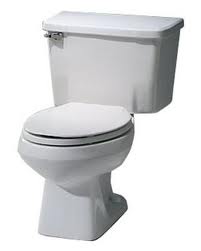
Cleaning Week - Day 5 - Toilets

Please clean me!
Today is day five of Cleaning Week and is about cleaning toilets.  Although cleaning toilets isn't a glamorous job, it is certainly a necessary one.
------------------

Commentary:

Many toilet cleaners utilize bleach as an ingredient to help with whitening / cleaning, and to kill bacteria that may be present.  According to WebMD bleach is also a dangerous thing to have at home, especially if children are p

resent.

  1. Because it's used so frequently, chlorine bleach is the most common cleaner that children accidentally swallow. 
  2. When mixed with ammonia, another common ingredient of cleaning products, and acidic cleaners, such as toilet bowl cleaners, the mixture releases poisonous gasses. 
    1. This is compounded by the difficulty in learning what ingredients are included in commercial cleaners since they're not typically listed on the label. 
If you want to avoid bleach in your home, like we did, you can use safer items that have similar properties to bleach.
  1. For getting rid of mold and bacteria, vinegar or hydrogen peroxide are effective.  (I haven't used hydrogen peroxide since vinegar has worked very well for me.)
  2. To clean and whiten I've had good success with a simple combination of vinegar and baking soda which I mentioned in a post on sinks and tubs, and utilize for many purposes.
In addition to being a health risk if inhaled or swallowed, bleach can also be absorbed through the skin.  Bleach is sometimes utilized to change skin coloration, with potentially disastrous results, as noted in this article from Ghana.  If you've cleaned with bleach before and not used gloves you've probably noticed the rough effect it can have on your skin.

Suggested action steps:
  1. Put baking soda and / or vinegar into bowl.  (We have also used the Seventh Generation Emerald Cypress & Fir before if you want a pleasant odor after cleaning, but I think going forward we'll stick with the vinegar and baking soda.)
    1. For stubborn stains try leaving vinegar in the bowl for a few hours or overnight.
    2. Here are some more detailed instructions and options if my method doesn't work for you.
  2. Scrub with toilet brush
  3. Clean outside of tank with a rag and vinegar
  4. Wait about an hour for vinegar smell to dissipate

February 25, 2012

Cleaning Week - Day 4 - Universities Setting an Example

I'm watching the KU vs. Missouri basketball game while writing this post (Rock Chalk) so thought a post on universities would be appropriate.

A number of universities have revamped their cleaning practices and/or providers in recent years, below are highlights from the University of Missouri - Kansas City (UMKC) and Harvard University.  UMKC was a winner of the 2011 Green Cleaning Awards (1 of 6 universities honored) and I selected Harvard since it's a premier university in the U.S. (and the world).

------------------

UMKC - Notes about changes the school has implemented to their cleaning practices

  1. A 5-year Environmental Protection Agency (EPA) study found concentrations of 20 toxic compounds 
    were as many as 200 times higher in the air inside homes and offices than outdoors.
  2. This switch has halved the amount spent on cleaners, a reduction from $300,000 in 2008 to $140,000 in 2011 for the green cleaners and Green Seal-certified hand soap. 
  3. Since the implementation of the green cleaning program, hundreds of toxic chemicals have been eliminated from use on campus and have been replaced with just three daily cleaners with environmentally friendly ingredients.
Harvard - Suggestions for green cleaning at home
  1. Use cleaning products that:
    1. Are phosphate free
    2. Have plant-based and/or biodegradable products
    3. Are not petroleum based
  2. Use reusable micro-fiber cloths instead of disposable cloths
  3. Minimize the use of anti-bacterial soap
  4. Do not use bleach as a cleaning product
  5. Do not use aerosols
  6. Harvard also includes a list of hazardous ingredients to avoid.
Suggested action steps:

  1. Consider implementing some of the suggested practices from Harvard
  2. Ask your employer or apartment manager what cleaning products they use.  You have the right to know what materials are present in your place of work and residence.  Don't be surprised if your employer doesn't know.